
Luke McCowan’s afternoon ended at half-time against Rangers, but Martin O’Neill’s tactical switch helped turn the derby firmly in Celtic’s favour. Sebastian Tounekti’s introduction brought more direct pace down the left side while Yang Hyun-jun looked far more comfortable once he moved across to the right.
McCowan had started the match in an unusual role drifting inside from the right flank. The idea was clear enough before kick-off. With Alistair Johnston pushing high from full-back, Celtic wanted McCowan moving into central areas where he could combine quickly and release Johnston into space on the overlap.
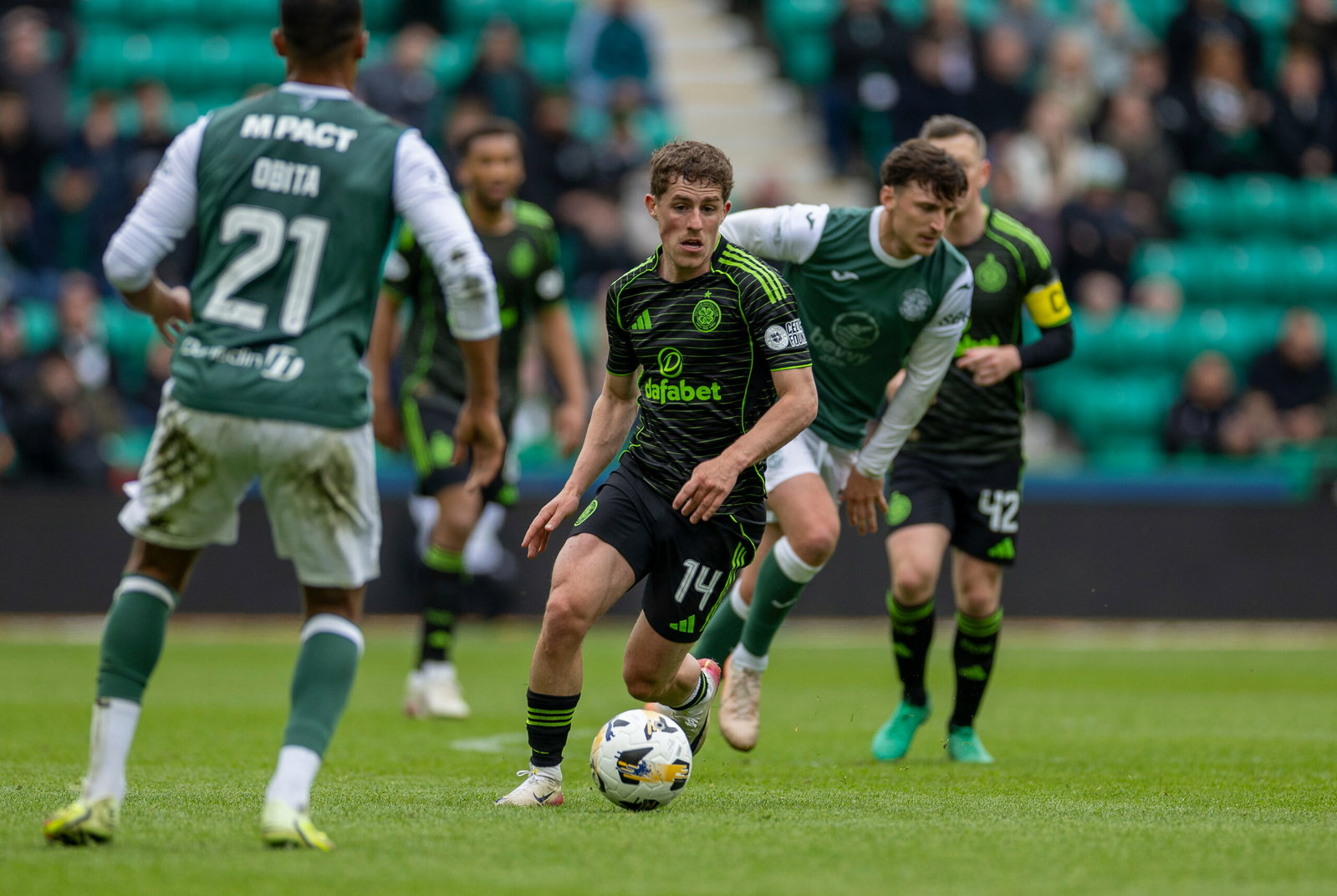
It worked once. That moment mattered.
McCowan’s reverse pass into Arne Engels led directly to Yang’s equaliser midway through the first half. It was sharp football in a crowded area and exactly the type of move O’Neill had hoped to create.
But outside that passage, McCowan struggled with the pace of the game.
Rangers pressed aggressively during the opening stages and targeted transitions quickly whenever Celtic lost possession. McCowan was caught on the ball for the opening goal and found it difficult physically once the match became stretched from end to end.
The tempo looked relentless at times during the first half.
Tounekti changed that balance after the break. He stayed wider naturally, carried the ball directly at Rangers and immediately pushed the away side deeper. Yang also improved once he shifted onto his stronger side where he could drive at defenders instead of receiving with his back to goal.
Celtic’s second-half dominance started from there.
O’Neill explained the thinking behind both the original plan and the half-time adjustment afterwards.
He said: (Celtic FC YouTube), “Yeah, well, what we thought is that with Alistair getting fitter each time he plays and the ability to get up and down and support people, we just thought that Luke might have been able to cut inside.
“As it turns out, he made the pass for the equalising goal. It was tough, really, for him because it was hard to get a breath. He hasn’t started a game for a little while and the pace was really hectic.
“So, from that viewpoint, yeah, we just changed it at half-time. But the reasoning behind it was the very fact that Alistair can get fitter, he can join in.
And if Luke was coming inside a couple of times, he could thread little things through to Alistair on the overlap. That was the thought.”
Managers are often judged heavily on substitutions in derby matches and this one worked perfectly for Celtic.
Tounekti’s energy gave Rangers another problem to deal with just as their midfield started losing control of the game. His cross also played a part in Daizen Maeda’s overhead kick after the ball dropped awkwardly into the box.

Sometimes a tactical tweak shifts everything.
This one did.
Keep Reading