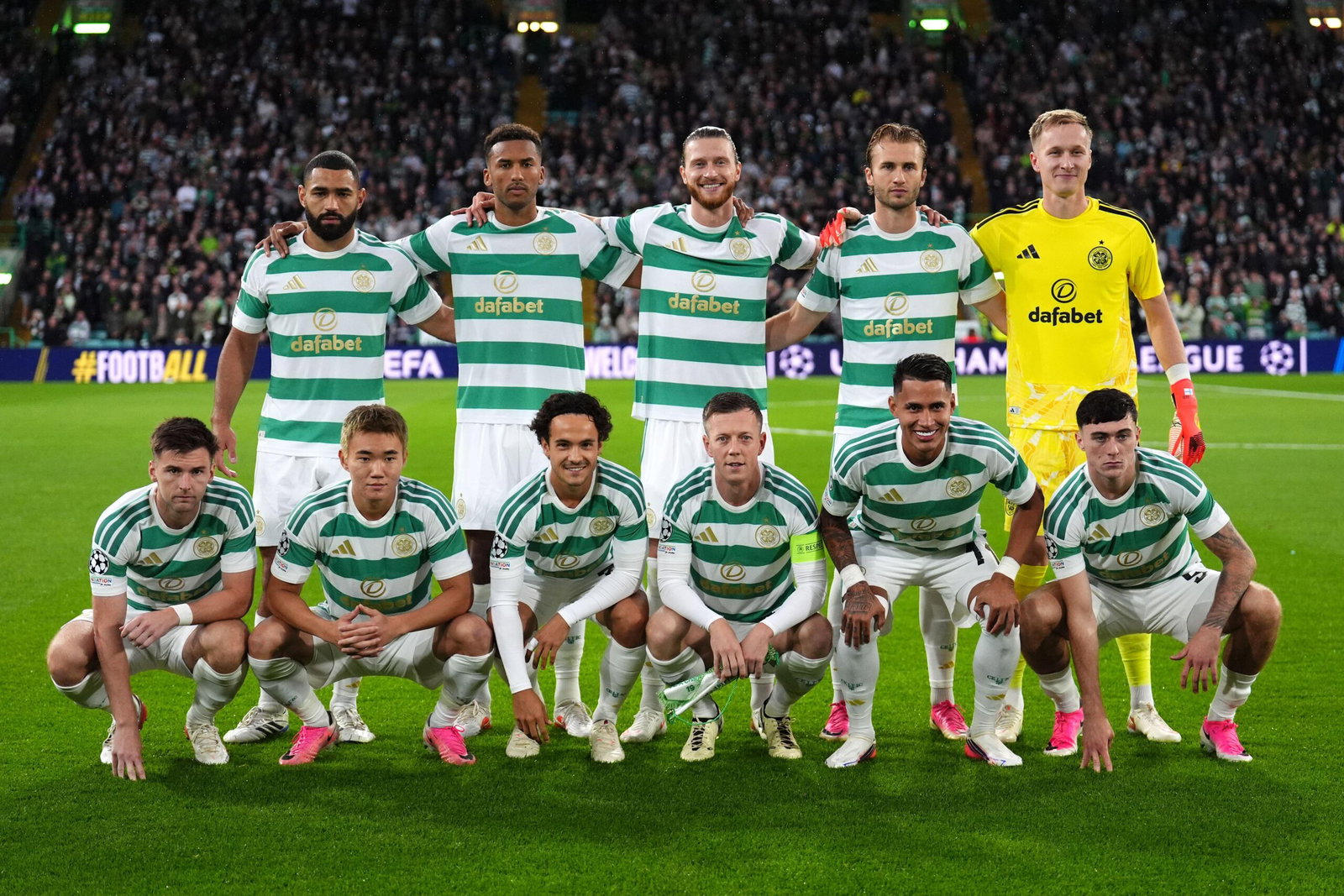
Celtic supporters have grown increasingly vocal in recent months about the board’s reluctance to deploy the club’s financial strength, and a new analysis has pushed that debate right back into the spotlight.

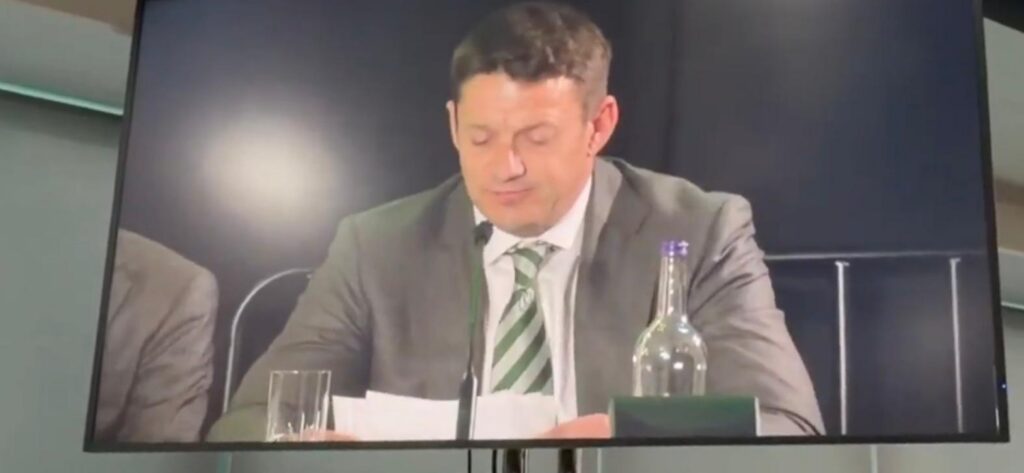


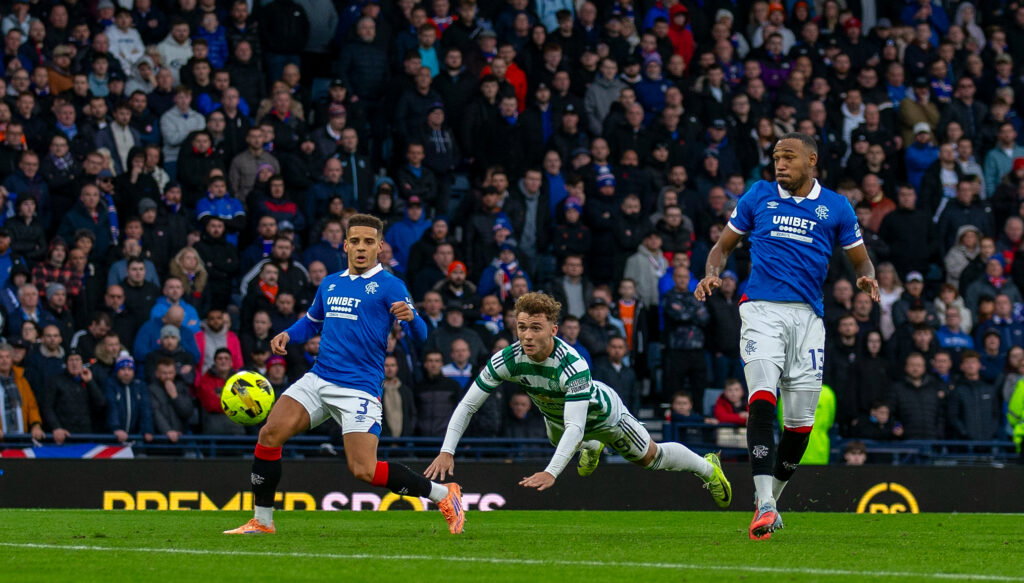


Over the last decade, Celtic have quietly built a financial cushion unmatched anywhere else in Scotland. Player trading, consistent European involvement and operational stability have created a model that brings in huge surpluses year after year.
It is this very success that has fuelled supporter agitation: Celtic have the money, and plenty of it, but are perceived as unwilling to spend aggressively enough to build a squad worthy of their financial standing.
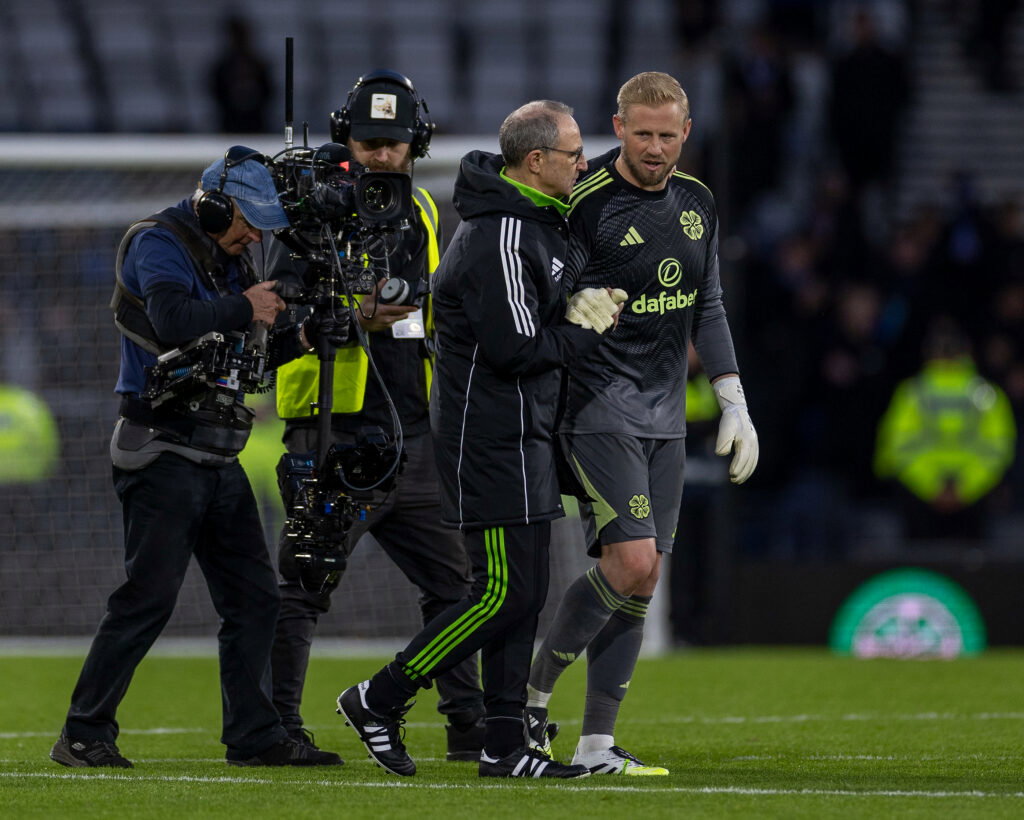
The contrast with Rangers could not be starker. While Martin O’Neill has steadied Celtic on the pitch, Rangers have lurched from one crisis to another off it, with managerial upheaval, failed recruitment and investor disappointment defining their most recent chapter.
The gap between the clubs, Borson argues, is no longer merely competitive; it is structural, and it is widening.
Yet these revelations arrive at a delicate time for Celtic. O’Neill’s impressive interim spell is about to give way to the Wilfried Nancy era, supporters are demanding accountability from the board, and the January window looms large.
The financial gulf being highlighted doesn’t simply expose Rangers’ weaknesses, it calls attention to Celtic’s obligation to put their immense resources to better use.
Borson said: (Football Insider), “Rangers are not making anywhere near enough money on player sales.
“The club consistently loses money. Most clubs do. The gap is not good with Celtic. Now, whether that’s about performance financially or player sales, the trend is awful. If you look at it on a profit basis, year on year the gap between Celtic and Rangers is getting more significant each year.
“So much of the numbers and the difference between the two clubs comes down to what you’re doing in Uefa competition. Rangers in terms of the sort of headline wasn’t a bad season. Turnover wise, it was up 7 per cent. Gate receipts were broadly in line. Broadcast was broadly in line, so they drove actually quite a substantial increase in commercial revenue.
“On the face of it, it wasn’t a terrible performance. Look, Rangers are clearly in a difficult position right now, and it’s just going to take time for it to wash through.”
From a Celtic standpoint, the figures are both reassuring and provocative. Reassuring in the sense that the club is in a commanding financial position compared to its biggest rivals, and provocative because supporters increasingly feel that the hierarchy are not capitalising on that advantage.
It is difficult for fans to reconcile the huge profit margins with transfer windows that frequently fall short of expectations, particularly when Champions League qualification slipped away yet again.
The contrast in financial efficiency is undeniable. Celtic have sold cleverly, built value in their squad and consistently delivered profitable accounts. Rangers, meanwhile, have struggled to generate meaningful transfer fees and remain dependent on external support to cover their losses.
But that is where the pressure shifts back onto Celtic’s board. With a new manager arriving, the club’s finances at record strength and the team in the middle of a title race and a European campaign, there can be no excuses for another timid transfer period. Supporters expect action that reflects the scale of the club’s resources, not just cautious stewardship of them.

Ultimately, Borson’s numbers reinforce what Celtic fans have been arguing for months: the club are not just ahead of Rangers off the pitch, they are operating on an entirely different financial level.
If Celtic truly intend to maximise this era of dominance, the next step must be to align that financial power with real ambition. The money is there. The gap is widening. Now it falls to the board to ensure Celtic’s footballing strategy finally matches the strength of its balance sheet.
Keep Reading