
If Celtic think they can keep producing talent without actually using it, they are kidding themselves.
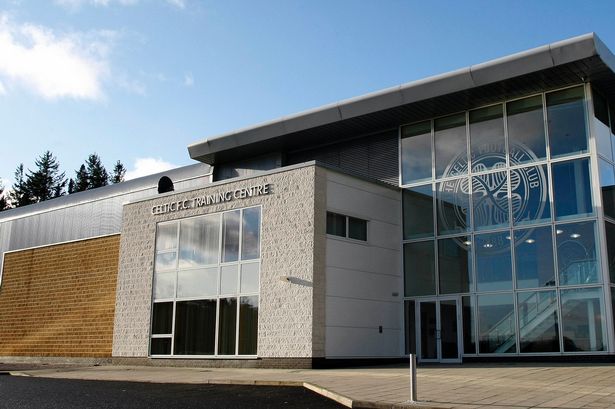
The next manager must arrive with a proven track record of developing youth players, not just talking about it, not just naming them on the bench, but actually trusting them in meaningful minutes. Because right now, the pathway from Lennoxtown to the Celtic first team looks more like a bottleneck than a production line.
Time and again, we’ve seen bright prospects head elsewhere in search of opportunity. England, Europe, wherever the door is even slightly more open. It feel like if you’re good enough, you might still not get your chance at Celtic.
Look at the current squad and, on the surface, you can point to academy success stories.
Callum McGregor is the gold standard – the captain who came through the ranks. James Forrest has just signed a new deal, another example of a one-club man. Kieran Tierney left, proved himself at the top level, and came back.
But here’s the issue – those examples are becoming historical references rather than evidence of a functioning system.
In the current setup, Tony Ralston and Colby Donovan have featured, but largely as squad players. Donovan’s emergence this season came through necessity, an injury crisis at right-back, rather than a deliberate developmental strategy. Dane Murray is regularly around the squad too, but again, not yet a player being trusted to truly challenge for a starting place.
And that’s the crux of it.
With the greatest respect to those players, Celtic should not be producing academy graduates who are only backups. The standard has to be higher. The expectation should be that young players are pushing, competing, and in some cases, taking shirts.
Because when that doesn’t happen, they leave.
Ben Doak is the standout example. A genuine elite prospect who saw his pathway blocked and made the call to move to Liverpool. He didn’t want to stagnate in the Lowland League with Celtic B and it’s hard to argue with that decision when you look at how his career has accelerated since. He’s now performing at a high level and knocking on the door internationally.
That should sting.
It’s not just about losing a talented player, it’s about what that loss represents. A failure to convince your best young prospects that their future is in Glasgow.
Interim boss Martin O’Neill has already hinted at the issue, admitting the squad could become “top-heavy” and suggesting space needs to be created for academy players. That’s an acknowledgement of the problem but the next step is action.
The next Celtic manager has to be someone who has done this before. Someone who improves young players, integrates them and isn’t afraid to live with the mistakes that come with development. Because without that, the academy becomes a showroom for other clubs.
Celtic don’t lack talent at youth level. They lack opportunity at senior level.
That has to change.
Otherwise, the cycle will repeat. Prospects will shine, prospects will wait and then prospects will leave.
And Celtic will be left wondering what might have been, again.
Keep Reading