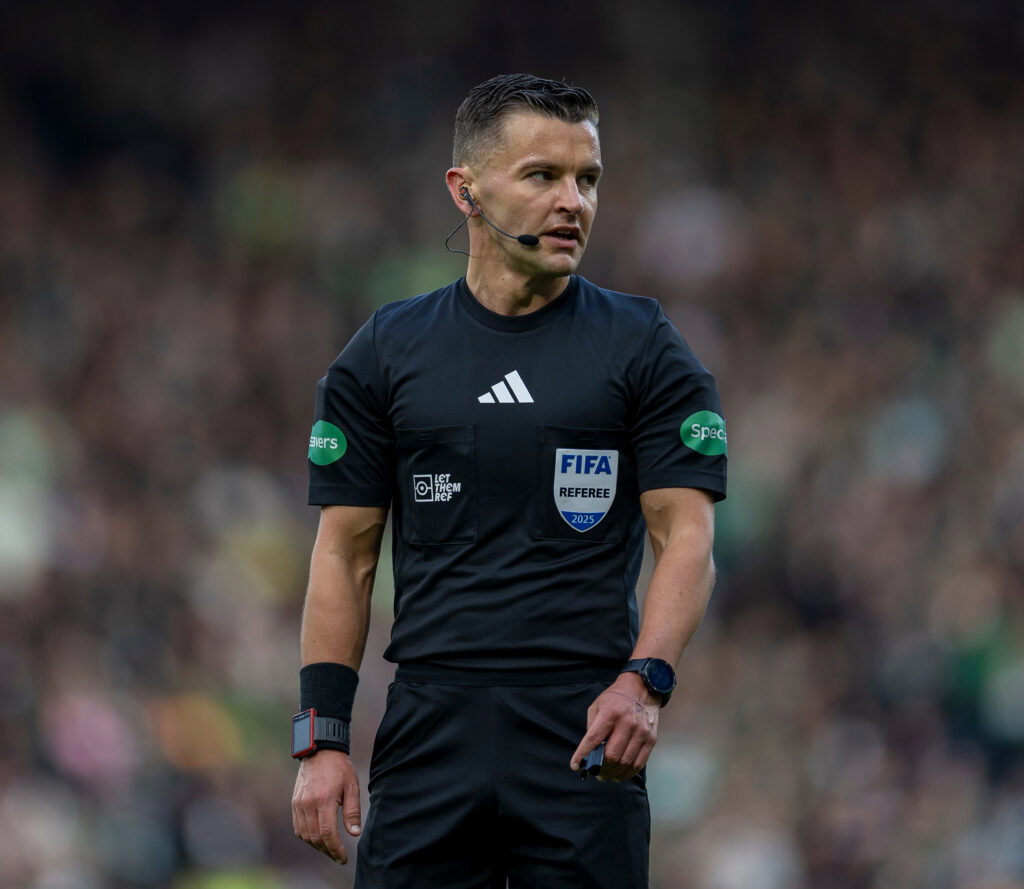
The SFA’s Key Match Incidents (KMI) panel has once again come under fire after ruling unanimously that referee Nick Walsh was right to show only a yellow card to Rangers defender Derek Cornelius for his reckless challenge on Celtic’s Johnny Kenny during last weekend’s League Cup semi-final.
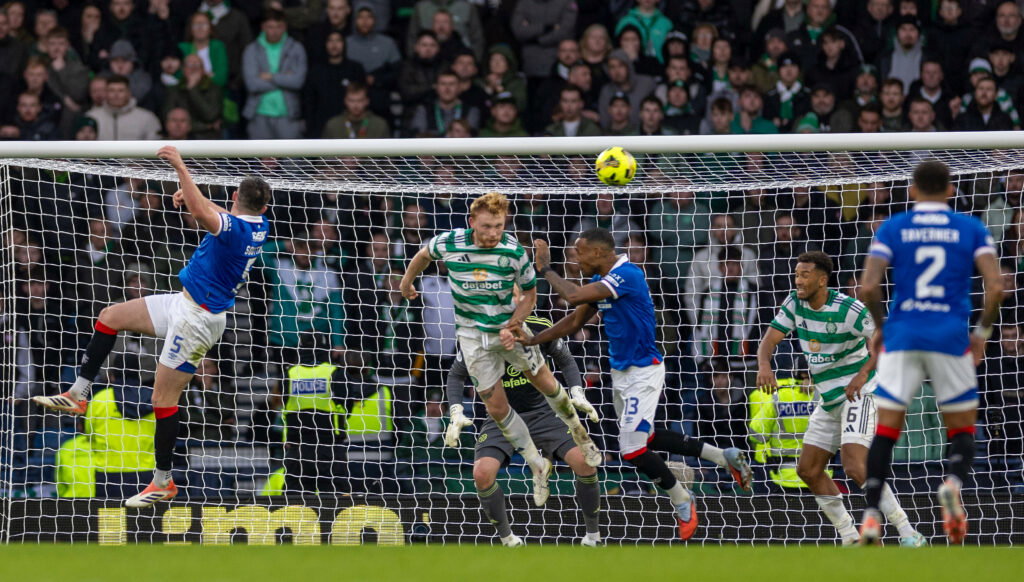
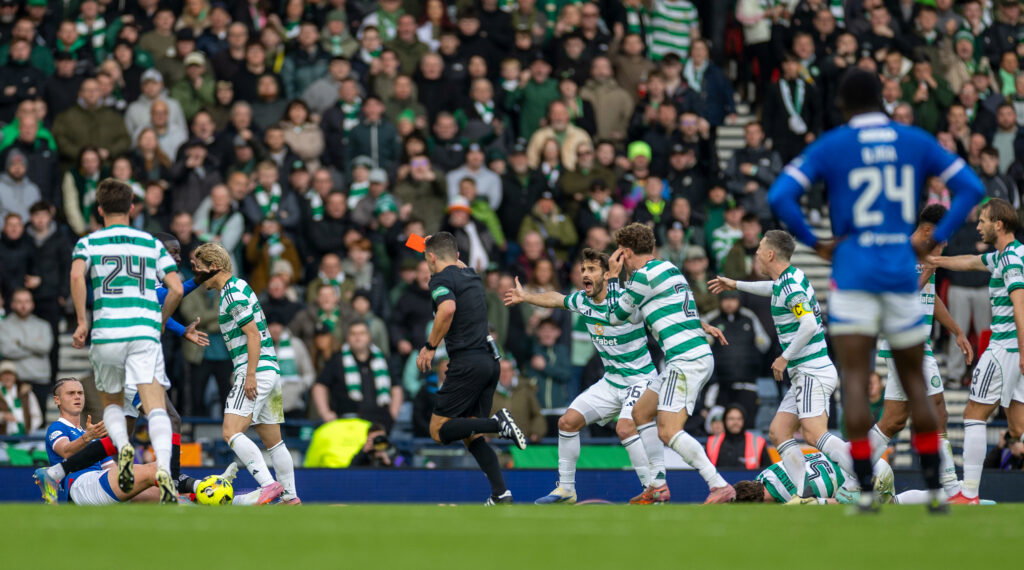
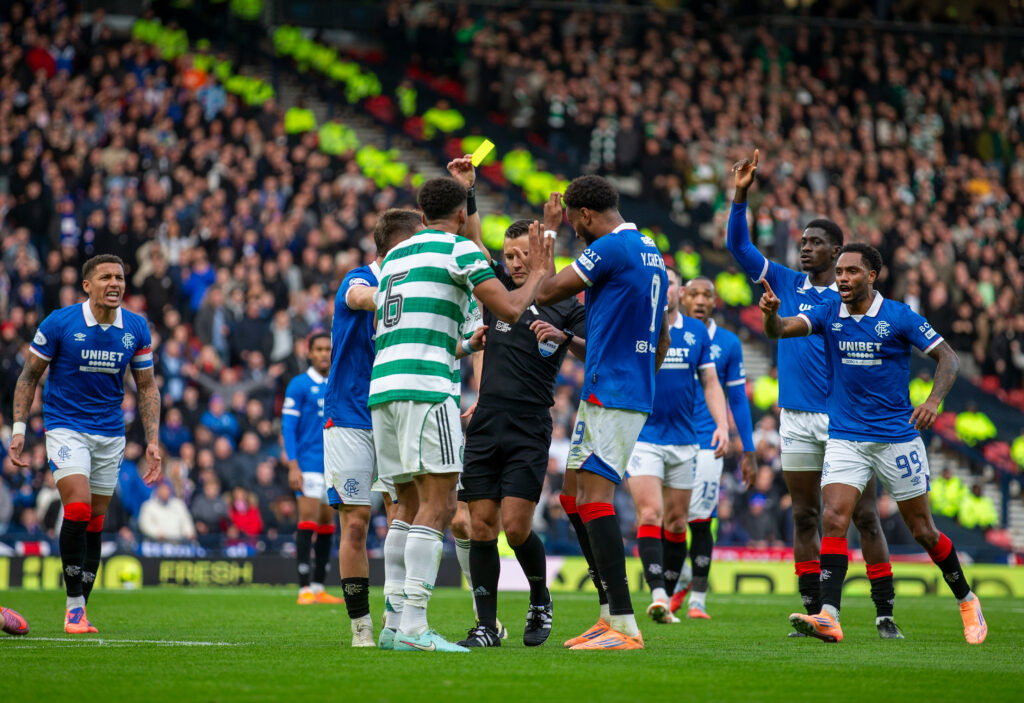
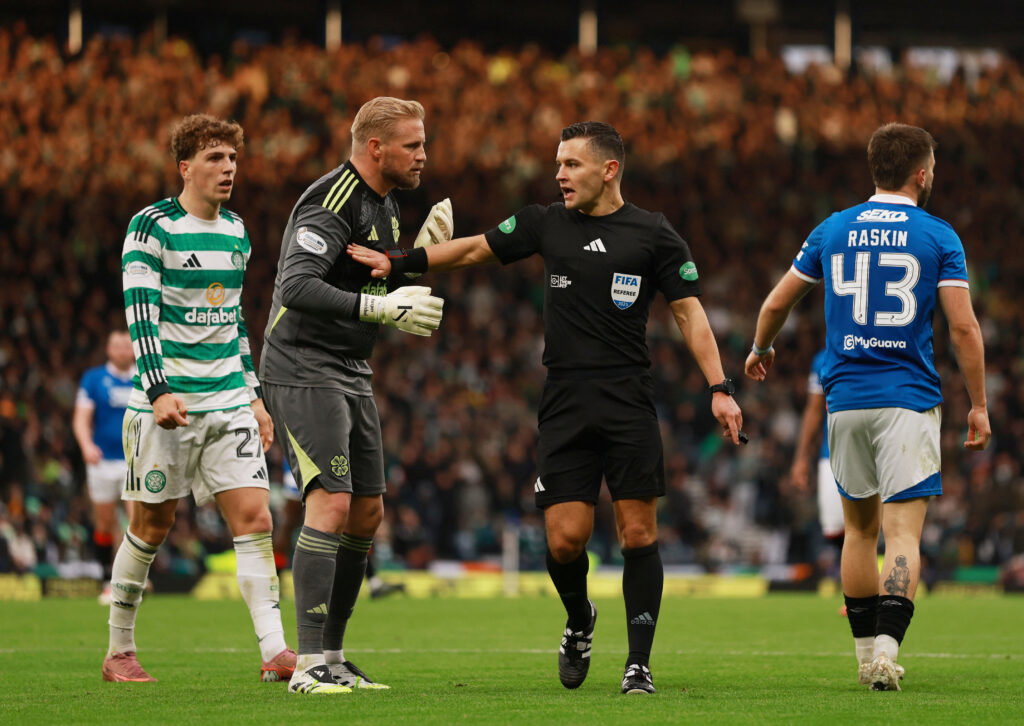
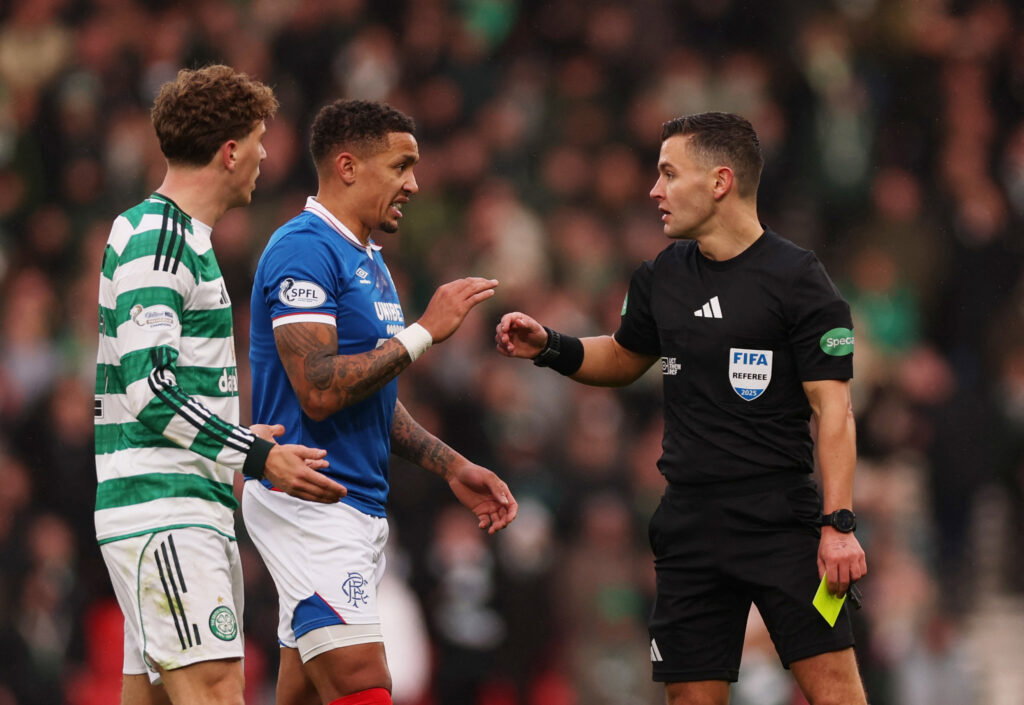
Replays showed Cornelius arriving late, forcefully and above the ankle, catching Kenny in a dangerous area of the leg. Under IFAB Law 12, such contact is often deemed to have endangered an opponent’s safety, a standard red-card offence. Yet Walsh issued only a booking, and VAR, led by Andrew Dallas, declined to intervene.
The KMI panel’s backing of that decision has only deepened frustration across the Celtic support, especially coming just days after the same group unanimously upheld another controversial call, the handball penalty awarded against Anthony Ralston. The sense of inconsistency and double standards in key moments continues to dominate discussion around Scottish officiating.
They are losing it over Trusty, but Cornelius should have been a straight red over this tackle pic.twitter.com/gb9NfBZu59
— Beaner (@WhoDatBhoy) November 2, 2025
Those words, repeated yet again, have become a symbol of growing anger among supporters who feel the system lacks accountability. The decision not to upgrade Cornelius’ tackle to a red card has been widely criticised by pundits and fans alike, many of whom argue that if the same challenge had been made by a Celtic player, the outcome might have been very different.
It’s the nature of the contact, late, high, and endangering, that has left so many baffled by the verdict. Even by the panel’s own stated criteria, serious foul play requires excessive force or disregard for an opponent’s safety. Cornelius’ challenge appeared to meet both thresholds.
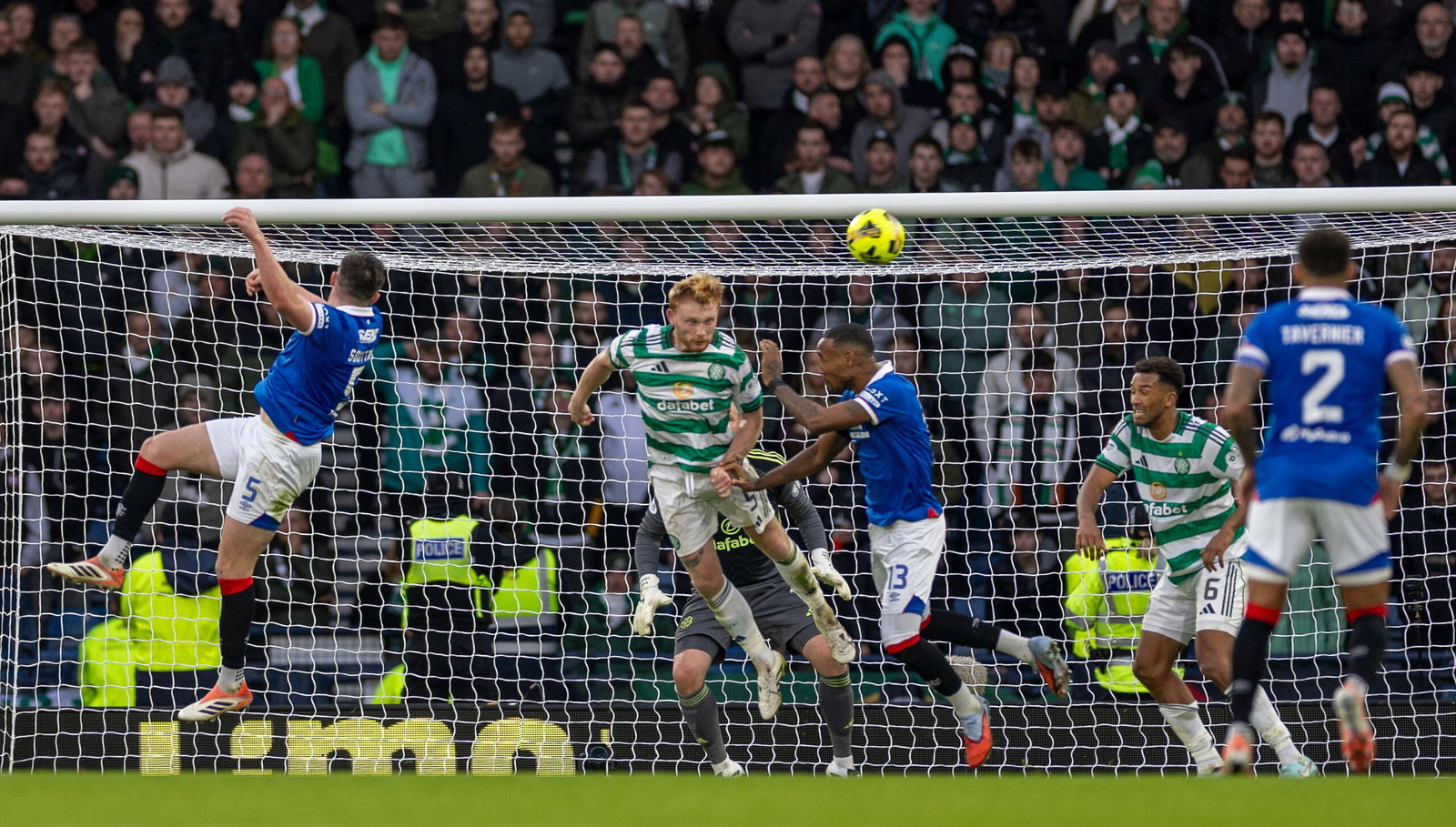
For Celtic fans, this latest ruling reinforces a growing perception that contentious calls consistently go one way in high-profile fixtures. The lack of transparency in how these decisions are reached only adds to the frustration.
As Celtic prepare for their return to league action, the focus ideally should be on football, not officiating. Yet, after another baffling KMI verdict, many will feel that the credibility of the review process itself is now in question.
Keep Reading